01
Claudia Molteni - Carlo Corcione

ROCHE HEALTHBUILDERS OPEN‑INNOVATION PROGRAM IN ROCHE ITALIA

02
Licia Renzulli - Claudia Molteni

CHANGING THE PERSPECTIVE IN FOLLICULAR LYMPHOMA (FL) DISEASE

03
Federica Piccolo - Giuseppe Grossi

RESHAPING OUR eBC ACCESS STRATEGY THROUGH STAKEHOLDERS’ EYES

04
Benedetta Nicastro

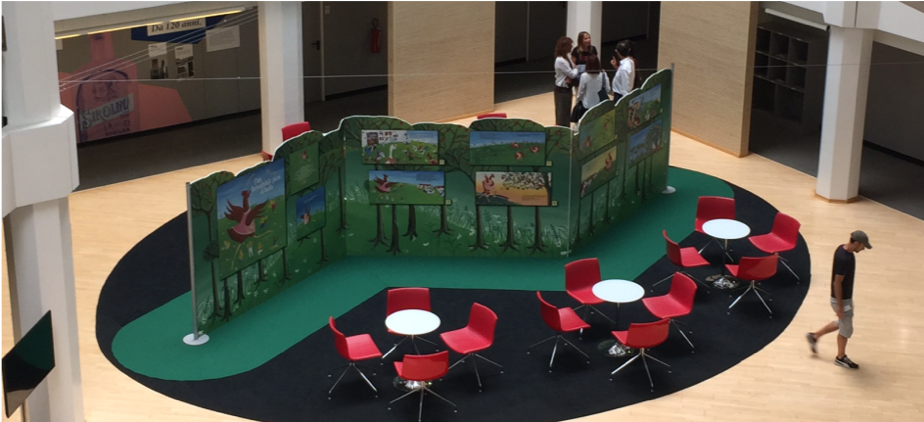
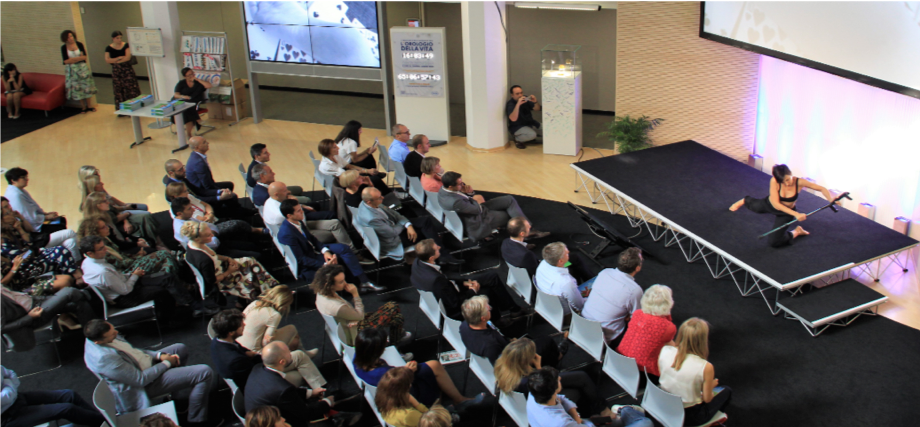
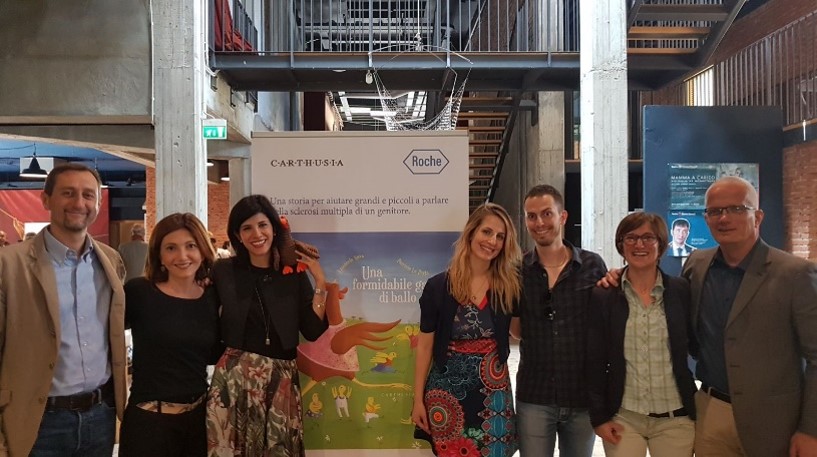
A FAIRYTALE FOR MULTIPLE SCLEROSIS

05
Nicola Panzeri - Alice Cabrio

THE NEW ROLES OF PMPs AND RCPs: CREATIVITY TURNED INTO OPPORTUNITY

16
Carlo Corcione

DIGITAL HEALTH SOLUTION FOR CYSTIC FIBROSIS PATIENTS

Objective

Roche HealthBuilders is an open-innovation program designed to enable and support Roche leadership in CX and Healthcare Sustainability by:

  1. Attracting and engaging world-class startups and other key healthcare stakeholders including HCPs, public / private hospitals, insurances, tech companies, business schools, VC funds, incubators, …
  2. Fostering a culture oriented on customers while favoring experimentation, testing and learning to find solutions to their problems

At the first edition the call for proposal targeted ideas (seed) and startups (venture) developing services / solutions at the intersection of our TAs and the two ambitions of leadership in CX and Healthcare Sustainability.

Import

Best practices import from Startup Creasphere, the Digital Health Program in Munich managed by Roche DIA, where startups from across the globe are evaluated and the most promising companies are selected to join the acceleration program.

Export

Best practice sharing with Spain, France, Portugal, Switzerland and UK.

Outcome

  • 138 Applications (Italy and EU countries)
  • 20 Semifinalist pitches held in Roche
  • 10 Finalists presenting during the award ceremony
  • 12 Months mentorship program (valued 200k€)
  • 3 Winners and 5 Collaborations currently active

Learning

  • External environment is quite interconnected, rich of creativity, talent and appetite for risk
  • Strong startups are generally more interested in mentoring programs leading to potential commercial agreements, less interested in just getting money
  • Strong incentives exist for Roche to engage external innovation in the quest to build customer-inspired “beyond-the-pill” solutions
  • Big tech companies (e.g. Apple) signaling interest in partnering with Roche
  • Early involvement of Commercial Access and Medical roles is a key success factor
  • Internal communication is critical to promote a new way of working where Roche Squad collaborate with startup teams
  • Access to external innovation is a common need across Roche divisions, strong rational exist to consolidate efforts

Objective

Ensure a valuable MEDICAL ADVANCE in FL disease

Export/Import

The co-creation approach

The exploration phase

INVOLVING pts, caregivers and hematologists, we INVESTIGATED patients experience and their painpoints in each step of the journey.

The understanding phase

Analyzing the insights collected, we

  • UNDERSTOOD what to do more really means for 1LFL patients (the unmet need in FL)
  • PRIORITIZED the painpoints to focus on
The understanding phase

The co-creation phase

  • We CO-CREATED THE COMMUNICATION with our clinicians and they suggested us a story to tell which is proving very effective. This story translates the value of Gazyvaro into patient’s life and clinician’s treatment needs → the emotional comunication The co-creation phase The value for clinicians of projecting FL patients towards a similar or identical OS, to that of a control population, not affected by this disease.
  • We CO-CREATED. with clinicians and patient advocacies. SOLUTIONS for the painpoints prioritized The co-creation phase

Next Steps

Carry out a workshop with our stakeholders and partner as Apple, Amazon, Netflix or Reply to bring to action

Outcome

  • A CHANGE OF PERSPECTIVE in FL. This is translating into better outcomes for more patients, faster in FL disease
  • A CLOSE COLLABORATION with our stakeholders that can be created only working together for a common goal
  • CONTACTS MADE with new partners as Apple and Amazon and with Start-up

Learning

  • The co-creation approach is what our stakeholders are looking for
  • The involvement in the co-creation approach of all the key stakeholders (the beneficiaries, the influencers, the decision makers) is key to have an effective execution phase

Objective

To create a new access strategy based on the learnings of our first attempt and built in co-creation with the scientific community ensuring that this time, the story we tell resonates strongly with payers

Import

Successful experience from UK and Germany where focused engagement on key decision makers was a key factors as well as ensuring that requested label is aligned to what scientific community would support 

Export

Consistent feedback loop established with Spain and France sharing both our filing strategies as well co-creation activities output we organised both with TAEs and payers

Outcome

Payers are now aware of our eBC access story built incorporating their feedback and supported in all aspects by the BC scientific community

Learning

To be successful it is mandatory to listen and elaborate all feedback received and be always aware of the value we can provide to the Roche community by sharing successes and failures

Objective

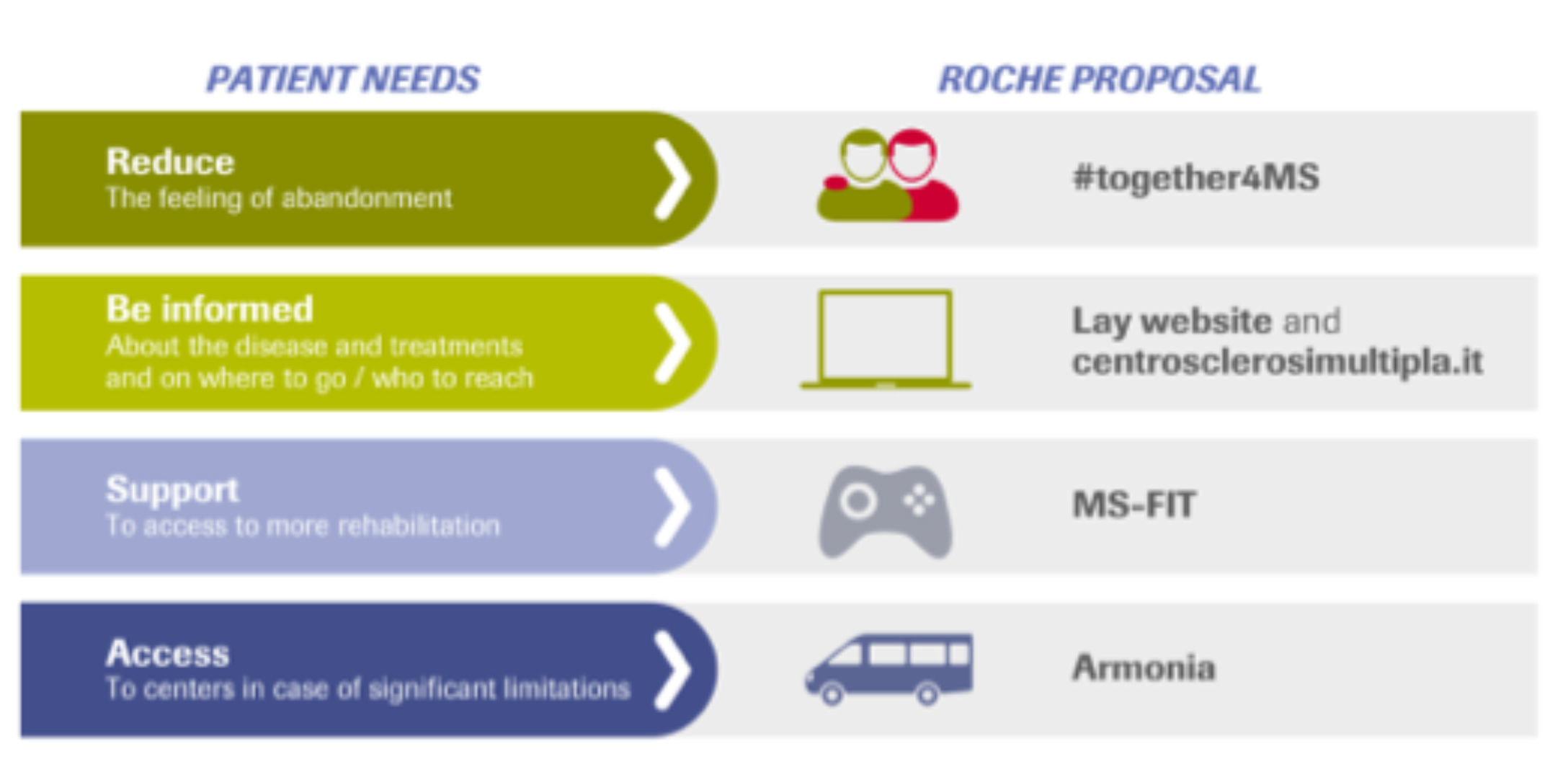
  1. Position Roche in MS across different stakeholders
  2. Reduce the impact of the disease on the daily lives of people with MS and their families
  3. Improve patient/specialist relationship
Objective

Export/Import

At the start of November we are filming an interview with one of the authors to be part of unbranded patient content on the Global Roche.com MS hub.

The initiative has been shared with the I8 Communication Community and there is potential interest to replicate it in China and Spain

Export/Import

Outcome

Position Roche as a leader in CX for people with MS, caregivers, neurologists and nurses.

Outcome

Learning

Unexplored ideas emerge because of open conversations and the ripple effect of a shared valued initiative can go beyond expectations:

  • Roadshop in 23 MS centers in Italy; + 5000 copies of the book; positive buzz generated on traditional and social media

Involvement of Roche people in patients’ related activities brings the North Star to life and boosts engagement.

Learning Learning Learning Learning Learning Learning

Objective

Having in mind our North Star, Roche Italy recently implemented 2 new roles (Precision Medicine Partners and Rare Conditions Partners) in the emerging areas of PHC and Rare Diseases, as a concrete answer to the specific needs of our stakeholders in terms of greater flexibility and agility, in light of giving empowerment, experimenting and applying new ways of working.

Therefore, the Compliance Committee decided to qualify and position these new customer-facing roles, in a clear perimeter of go and no-go areas, by pragmatically applying the relevant legislation and the Roche Symphony principles with a risk-based approach.

Objective

Export/Import

Our model was shared through various channels in order to enhance its compelling innovative power and stimulate similar risk-based assessments in other affiliates. In particular, the Italian model was published in the iNET Community and presented in Munich, during the “HCO Summit” last September; we’re now sharing it with the whole Compliance Community in dedicated calls involving all affiliates of the world.

Export/Import

Outcome

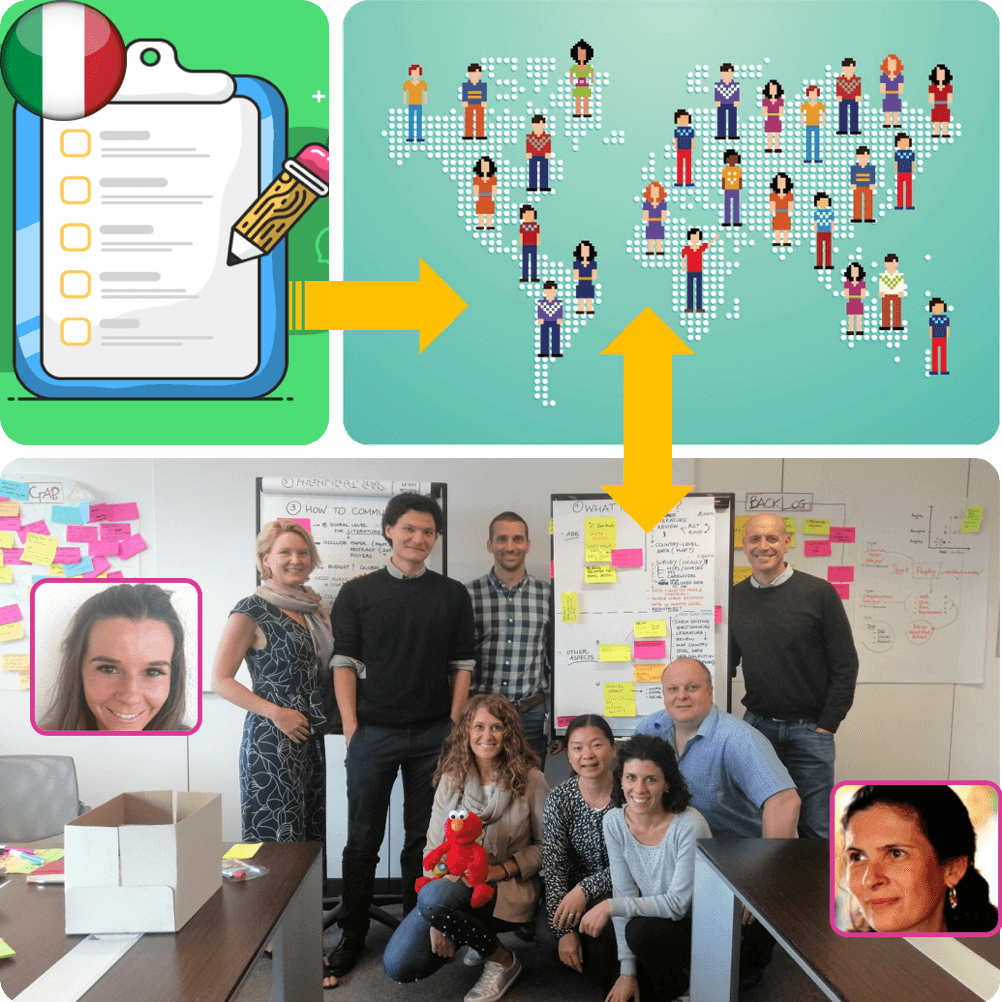
Before starting to draft the Guidance, we collected several inputs both form external stakeholders and internal colleagues within cross-functional sessions, in order to understand the peculiarity of these therapeutic areas and the specific needs of our patients.

When the Guidance was ready, we were very innovative also in training our colleagues, as we organized interactive stand-up model workshops, rather than traditional one-way presentations. Through this approach, Roche Italy was able to manage the grey area connected to new roles, by identifying the relevant risks and pragmatically mitigating them.

Outcome

Learning

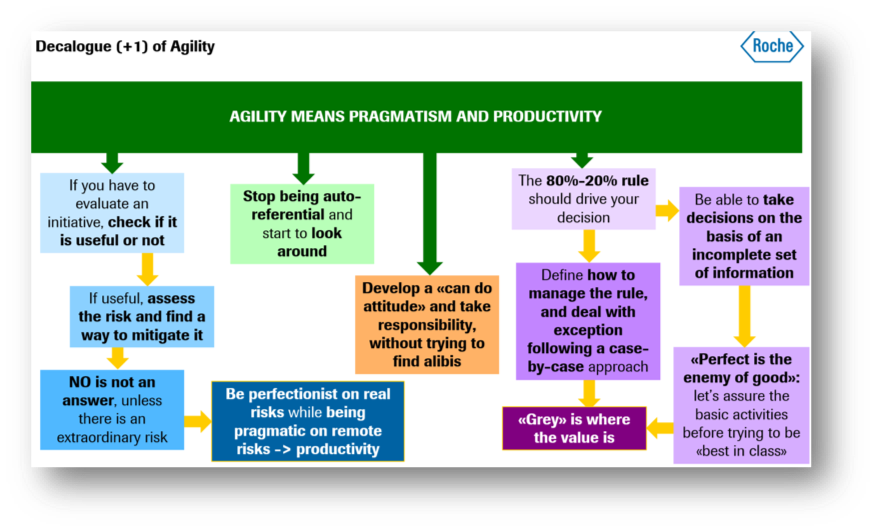
If you want to be more agile and effective, you must leave the beaten path and walk new roads, without pretending to immediately answer all questions. Thanks to this initiative, we have demonstrated that our organization is not risk-adverse and we concretely experienced some pillars of our Decalogue (+1) of Agility:

  • grey is where the value is
  • if something is useful, find a way to do it. “No” is not an answer!
  • the 80-20 rule should drive your decisions
Learning

Objective

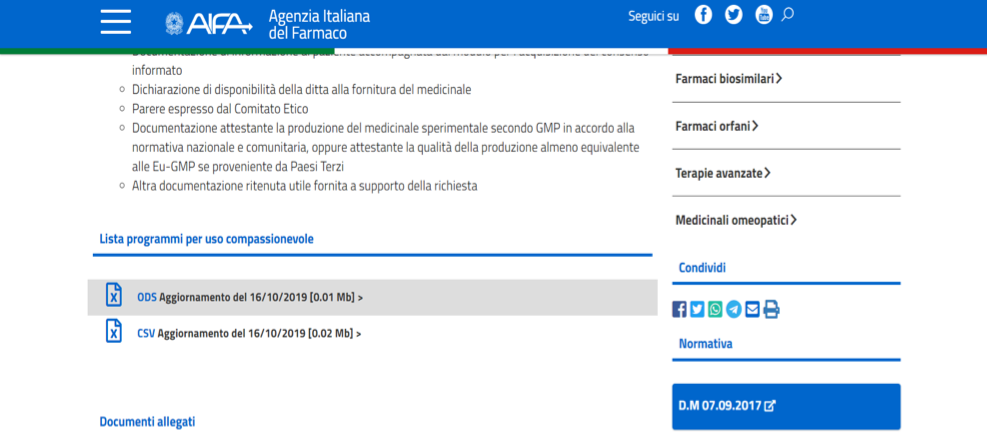
According to the patient’s need to provide a timely pre-approval access for new compounds (Polivy, Rozlytrek) and line extensions of already approved drugs (Tecentriq 1L NSCLC- SCLC-TNBC, Kadcyla eBC), we aim to seek an early advice from pre-authorization and innovation area of AIFA on tailored access solutions for identified area of unmet need.

Objective

Export

All colleagues involved in the interaction with the agency, shared the cross-functional approach (Medical Affairs, Market Acces, Regulatory, Clinical Operations) across the organization, continuously receiving and providing inputs on programs set-up and enabling teams to reach respective goals. Our approach have been discussed with many internal stakeholders of different functions across countries, while sharing differences, challenges and opportunities.

Import

FAST framework, a new guidance to facilitate pre approval global access to Tecentriq in new indications, has been critical for program implementation success.

Export/Import

Outcome

The agency provided clear guidance on all suggested pre-approval access programs, recognizing areas of unmet need and giving advice on tailored solutions for each one. Examples of implemented recommendations are the following: open a compassionate use program for NSCLC EGFR+/ALK+ post-TKIs 1line pts with Atezolizumab+Bevacizumab+Chemio and for PDL-1 positive mTNBC with Atezolizumab (providing Abraxane for free), continue to enroll in STARTRK-2 to further generate evidence with Entrectinib and open a CU later in the year, answer to the need of treating soon with Kadcyla no pCR patients pretreated in neoadjuvant with trastuzumab containing regimens by a local access program (compassionate use program).

Outcome

Learning

Despite the difficult environment and existing barriers with our health agency, our open, transparent and scientific approach has been appreciated by AIFA. Being proactive and sharing needs on a continuous basis can further provide clarity on payer perspectives on preapproval access programs and evidence gaps.

Learning

Objective

There is a need to have a deeper understanding of precision medicine status in different tumors type. In different tumor type the different diagnostic and therapeutic solutions position precision medicine in a different way.

It is key not to develop a value proposition that is "fit for all" as the HCPs needs are different, but a solution based on the specific needs.

It is also crucial to develop a tailored value proposition for internal stakeholder to share the strategic framework in their respective areas.

Import

In the developing this project the idea came from different discussion with HCP that shared different point of view on the topic of precision medicine, driven mainly by their area of expertise.

Import

In the framework of the project one key aspect is to leverage the knowledge of the different areas that colleagues have. We allocated topics to deep dive based on past experience of the different people and asked to colleagues from other squad to share their expertise.

Import

We will integrate internal knowledge for Roche employess with external insights thanks to an Ad Board and a market research.

Export

The idea of the project was shared with global and other affiliate in the contest of a Rozlytrek Working Group.

Export

As the outcome will not be country specific we hope to have materials that we share across the international team to support the precision medicine strategy.

Outcome

The expected outcome will be the strategic value proposition of Precision Medicine, Rozlytrek and FMI in the main tumor areas. This will allow as to have an integrated and synergistic approach across tumor area, engaging with colleague to deliver the value of precision medicine in their respective areas. The outcome will be to establish how Precision Medicine is not a topic of some but is the strategic framework of all.

Learning

The first learning is regarding the great amount of internal knowledge that we have. Colleagues with years of experience in the different tumor areas and hours of discussion with clinicians are key to contextualize a difficult topic such as precision medicine.

The second learning is about the possibility to create a project ex-novo and to develop it based on the different need and together with many colleagues, in 3 days the idea that was thought during a coffee break became a project that involved more than 15 people.

We have now started with the project with a final ambition and an indicative timeline but we will work around the different step based on learnings that we will develop on the way.

Objective

Armonia Project, which prepared and supported the Ocrevus launch, aimed at satisfy unmet needs of the MS community offering our customers target services in addition to Ocrevus, implementing a strategy beyond the product.

The main objective I pursued within the project was the identification of the best legal solutions to make the additional services available to our customers in conjunction with the product, exploring innovative and more collaborative approaches different than traditional ones, like donations, and shaping the legal environment in this sense.

The Armonia experience guided us to a new market access and commercial mindset, now in course of definition with sprint sessions, in order to define a business strategy based on the systematic integration between products and services as a preliminary basis of our market access and commercial offers.

Export/Import

The Italian experience has been presented within the global network (with yearly follow up), sharing our practice, our commercial focus and our deep connection with the legislative framework.

We annually report the most relevant learnings, based on solutions that were successfully implemented, feasibility barriers and obstacles from the customers’ perspective.

Outcome

Despite some initial reluctances, we succeeded in shaping the pharma environment (also considering new draft of law under discussion on these topics), approaching customers with flexible implementation proposals, including both:

  1. joint offer of products and services into commercial offers (according to regional tender notices admitting services in addition to drugs) and
  2. targeted negotiations of public sponsorship agreements - instead of donations – with accounts and university, positioning Roche as a real partner instead of a pure payer.

Learning

Challenging a system traditionally based on a systematic routine of donations and not admitting alternatives is not easy.

Working in team, involving colleagues interacting with different customers, knowing deeply our customers’ governance and processes and flexible – targeted approaches are essential to accompany the customers into a new mindset and exploration of legislative opportunities not yet in use in the pharmaceutical sector.

Our north star must guide us in defining integrated products and services solutions, which are the best answers to our customers’ needs, not only in terms of outcome but also in terms of fast implementation and high level of transparency and legal compliance.


Objective

Nowadays, around 15% of lung cancer patients are not eligible to perform standard tests to detect Genomic alteration due to poor tissue availability.

Making Comprehensive Genomic Profile available for these patients would allow them to be correctly diagnosed and receive life changing target therapy.

Export/Import

Roche Brazil is developing a consortium among private market in lung cancer where pharma companies are supporting a PSP to detect genomic alteration.
Building on their preliminary insights, HCP huge unmet need and leveraging on BFAST data release on FMI liquid Biopsy we have been able to increase the number of patients eligible to Alecensa & Rozlytrek.

Outcome

  • Change life of poor-tissue NSCLC patients thanks to larger access target therapies
  • Enable HCP to provide their patients with the best treatment option
  • Collect data from CGP for further development in NSCLC
  • Leverage on valuable experience to establish FMI as gold standard for an optimal diagnosis of lung cancer patients

Learning

  • Listening the voice of the customers and their unmet need has been key to identify the most effective and tailored approach to guarantee them an early and positive experience
  • Early Fieldforce engagement and insights collection is key to increase willingness to use FMI even before the actual market availability

Objective

Understand our patients journey, from first symptoms to diagnosis, from treatment starting to follow-up, and their needs across the all journey, through ethnographic researches, listening directly to them in their daily life.

Objective

Export/Import

After running the ethnographic researches firstly on MS, they have been shared with many different affiliates through multiple channels and different times, and we experience this is becoming a starting point for Italy and many affiliates in new therapeutic areas:

  • MS
  • NMO
  • GCA
  • IPF
  • Haemophilia
  • Haematology
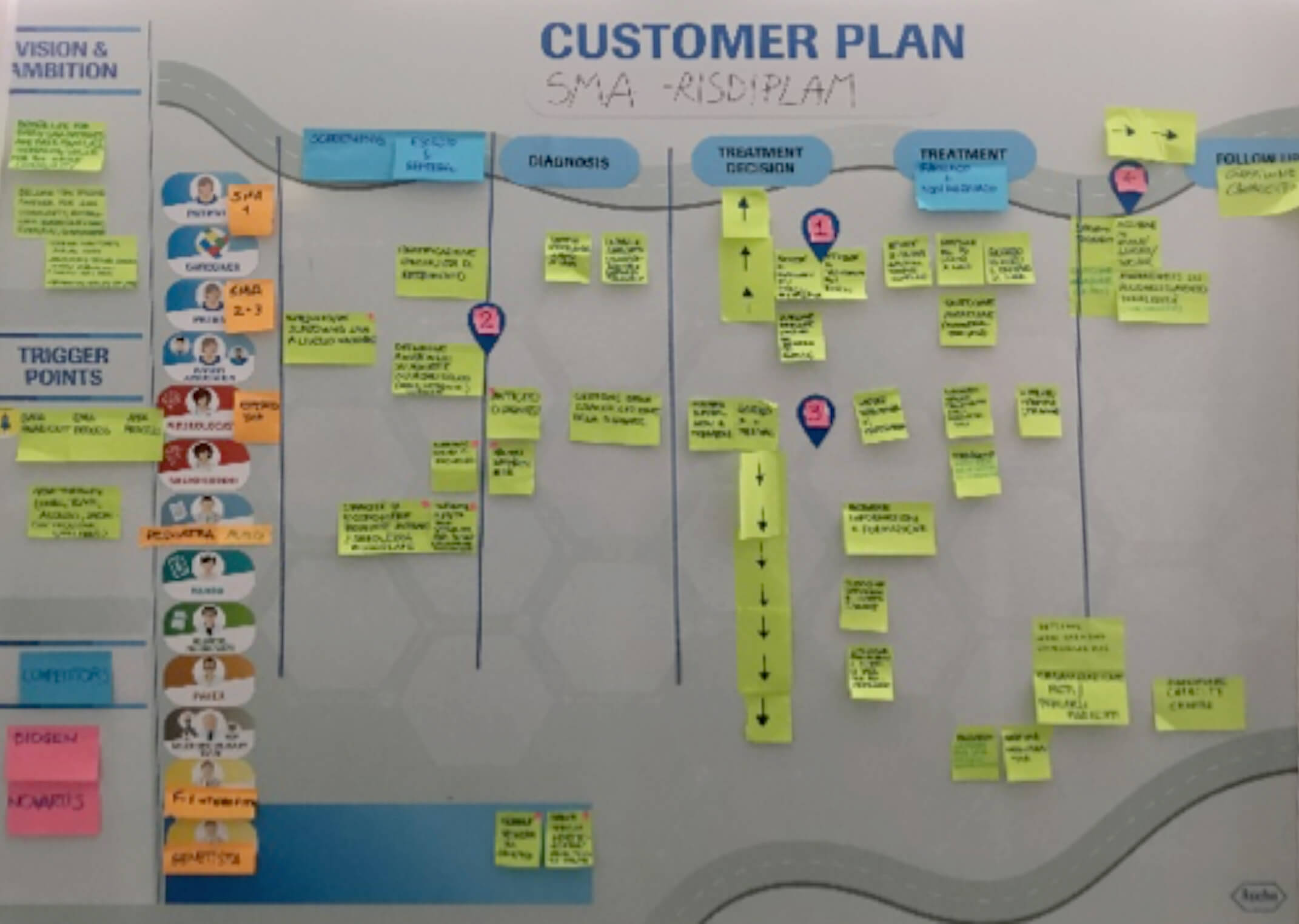
  • SMA
  • Breast cancer
  • Lung cancer
  • Bladder cancer
  • Melanoma

Outcome

Set up a strategy that really answers to our patients’ unmet needs.

Major projects resulted from these ethnographic researches are MS-Fit in Multiple Sclerosis, aiming to support patients in accessing more rehabilitation cures and in an easier way, without additional costs, and School Project in SMA, aiming to improve social inclusion of these kids at school.

outcome

Learning

  • It is important to prioritize needs emerging from these researches, thinking of the ones that can really bring a benefit to the community.
  • Co-creating solutions with our customers, by continuous listening not only in the needs collection but also in the project kick-off and implementation, and testing solutions before implementing.
Learning Learning

Objective

The Italian environment regarding price and reimbursement decisions by the national HTA body (AIFA) is continuously evolving in the last years and the value recognition defined by the AIFA Technical Scientific Committee (CTS) has become the key driver of the evaluation, leading the price and access ambition.

Objective → increase the opportunity to have a positive value recognition for our products, based on a well-informed evaluation by the AIFA HTA Team (assessors) and CTS (decision maker).

Export/Import

The approach we had to maximize the Hemlibra chances of value recognition was to:

  • optimize the content of the submission dossier, co-creating with TAEs, PAGs and Academy the different sections and then testing the clarity of value messaging with “real proxy” payers;
  • implement specific projects able to have an early influence/involvment of AIFA HTA Team and CTS:
    • collaboration with Rome Cattolica University and Public Health Institute HTA structure (both AIFA HTA Team advisors) for the development of an HTA report on Hemlibra;
    • creation of a multi-stakeholder working group on «innovative drugs framework» with CTS president and experts, leveraging Hemlibra as a case reference for rare disease.
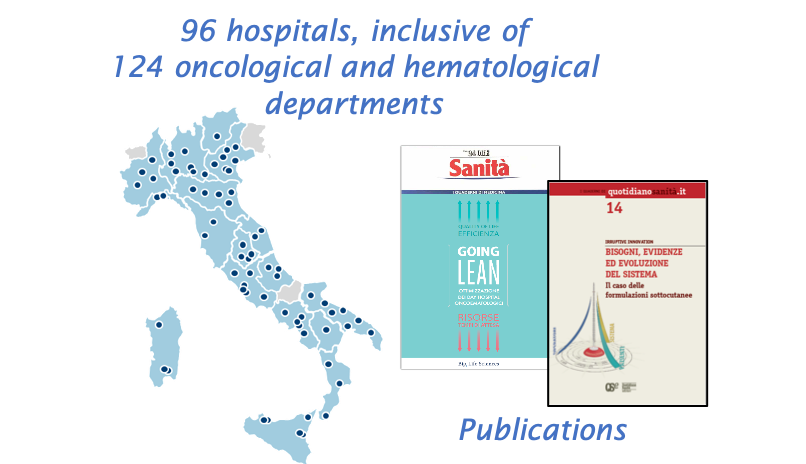
Outcome

Hemlibra had an incredibly positive assessment:

  • fast reimbursement process: only 10 months (vs mean 14/15 months)
  • recognized as an “innovative medicine” by AIFA
  • immediate access through Regions (1,5 months vs mean 4-5 months).

This approach was shared in a plenary session during a Regional Implementation Meeting; as a follow up we supported several EU and not EU countries in reaching Hemlibra fast to patients

Learning

  • Work togheter with the external network increase the complexity of our job but extremely increase the value of what we do;
  • Key decisions on our products are based not only on science: communication and “emotional” aspects are key and require dedicated action plans;
  • Access competences (hard/soft) need continuously to evolve as the environment is evolving.

Objective

The same ambition of Business: Employee-centricity in Benefits offering.

Our Motto: innovating benefit offering by getting to know our employees while providing a superior customer experience.

Project goal: a new Web App that aggregates and enables the management of local benefits, designed on the principle of employee centricity (away from process centricity).

Project scope: Italy, Greece, Croatia and Slovenia (but scalable to a wider Roche)

Export

  1. Diagnosis on why benefit offering isn’t as much effective as it should (the concept of employee experience and what it means in practice)
  2. An experiment of how to design a common platform, country-base for managing benefits
  3. Assessment on our level of employee centricity
  4. Methodologies for Analytics

Import

  1. Technical Features (aggregation from Spain and UI from USA)
  2. – in the near future – Functionalities like chat-bot or Document management (from China, Germany, Procurement

Import/Export

  1. Local Benefit Practices and possible IT solution (knowledge sharing among Italy, Greece, Croatia, Slovenia, Spain, Uk, Irland and Global strategy)

Outcome

“Fits For Me”: a multi-country MVP of a new web app for “orchestrating” local benefits offering.

video

Many ideas in one sentence: Fitsforme provides for a single-channel, simplified, personalized and pro-active access to benefits, while allowing for an integrated, flexible, simplified, analytics-oriented management

Learning

  1. Benefits needs are continuously evolving and are country-specific. Technological gaps are common.
  2. One of the main need of employees is not a new benefit, but a simple way to access and manage benefit offering
  3. Given poin1, we need a proper way to know our customers so as to plan offerings and correct the course. (aggregation is a must)
  4. Given point 1, you need to provide countries with a flexible tool easily configurable that helps HR in daily operations.
  5. Aggregation seems obvious, but is more than rare and hard to obtain in benefits
  6. Employee-centricity in design and offering has been confirmed the right strategy
  7. Agile method fits project like this: improvements are originated since design and development unfolds in intermediate stages (sprints) in which the App’s functions are gradually released and improved, including in response to user feedback.

Objective

  • The hemophilia community has a long-standing unmet need regarding the possibility for patients to approach physical activity (PA) in a dynamic but yet safe way and that is strictly related with the actual treatment regimens.
  • We decided to listen to the community needs and address them by leveraging on mHealth technologies and designing an observational clinical study to collect a wide range of patient data on PA and what is linked to it through a wearable device and a mobile application.

Export/Import

  • Within global team we contributed to move data generation strategy from simply highlight the reducing number of bleedings to a more holistic benefit for the patient.
  • Power study design and co-creation approach has been shared with several other countries (Germany, Canada, Spain, Colombia, Brasil, Sweden, France…
  • Presented at 9th EPI forum in Barcelon.
  • Abstract sent to EAHAD congress (February 2020, Malmo)

Outcome

Shape with and within the community the concept of better outcomes for HA patients: “beyond ABR“ with Hemlibra.

Learning

It is more important to embrace the challenge instead of the solution. Indeed, the idea we initially had on how to design the project changed dramatically within the co-creation process, but we realized that the final value of what we developed was higher than what we could initially imagine: co-creation approach is an amazing driver of trust.

Objective

SCuBA also known as SubCut Benefit Analysis, was a project regarding Herceptin and Mabthera that had the aim to quantify the benefit of the SC formulation compared to the EV formulation, mainly in terms of: time saving, hospital productivity and pts preference.

Objective

Export/Import

  1. In order to develop the project in Italy we imported the main structure of SCuBA from the global team.
  2. Then, we elaborated SCuBA with specific needs and evidence at local level through co-creation activities with the customers.
  3. Subsequently, the Project delivery we shared and we are continuing to share evidence and learning at global level as well as with other country’s colleagues, particularly:
    • The way we worked internally in Roche and externally with the accounts in terms of:
      • Account mapping
      • Project delivery
Export/Import

Outcome

This project:

  • allowed HCPs to fully recognize the SC value, use it in the right way and collect a better outcome in terms of time saving for more patients and maximize the productivity for the account.
  • allowed Clinicians to make the SC usage reasonable also in the new changed environment.
Outcome

Learning

  • Identify an “Account SC Performance Evidence” [in where Accounts with High SC value recognition & Organizational focus perform better than accounts with Low SC value recognition & Organizational focus]
  • Working as a cross functional team [eg. PM, MA, Reps, AM, KAM, RAM] has been crucial in order to reflect the Account’s situation and cover all the StakeHolders from Clinician to the Hospital Pharmacist to the Healthcare Director and fully exploit the SC value.
  • The co-creation way to work has allowed to increase a trusted partnership between Roche & StakeHolders.
  • Working at different level (Regional Tendering and Account's Commercial Proposal) has been crucial to maximize the business opportunities as well as to share experiences from Mabthera to Herceptin and finally to Avastin.
  • Sinergy between Herceptin & Mabthera Brand Team was only the first step to understand how really valuable are the cross collaboration and fertilization to:
    • maximize the effort and the impact of Roche’s activities;
    • increase the awareness and knowledge between colleagues with different expertise.
Learning

Objective

Take a snapshot of the real bleeding rates and the unmet needs among Hemophilia A patients in Italy to highlight the disconnection between HCPs perception and patients’ real life.

Build a solid real world data setting through a very comprehensive survey co-created with the entire hemophilia community (HCPs, Patients and caregiver), representative of the existing clinical practice and well accepted since built together with all relevant stakeholders.

Export/Import

The concept of “depicting” reality as it is and put a spot on the false beliefs HCPs have around current treatment and especially around ABR was the basis for the creation of the global “ABR cross-country mapping” working group, which we are leading as affiliate.

Work together around this topic will let Roche build a common ground on which establish a better outcome for all severe Hemophilia A patients.

Outcome

Raise the bar around what can be achieved for patients with hemophilia A among the entire community.

Learning

Listen carefully to all community stakeholders and understand their perspective was crucial to identify the right starting point to build this project.

Sharing the project within the icommunity was important to understand that we have common issues and to propose a concrete solution also for other countries. Based on this, the iSquad decided to start a working group on this topic and select Italy as lead of the project.

Learning

Objective

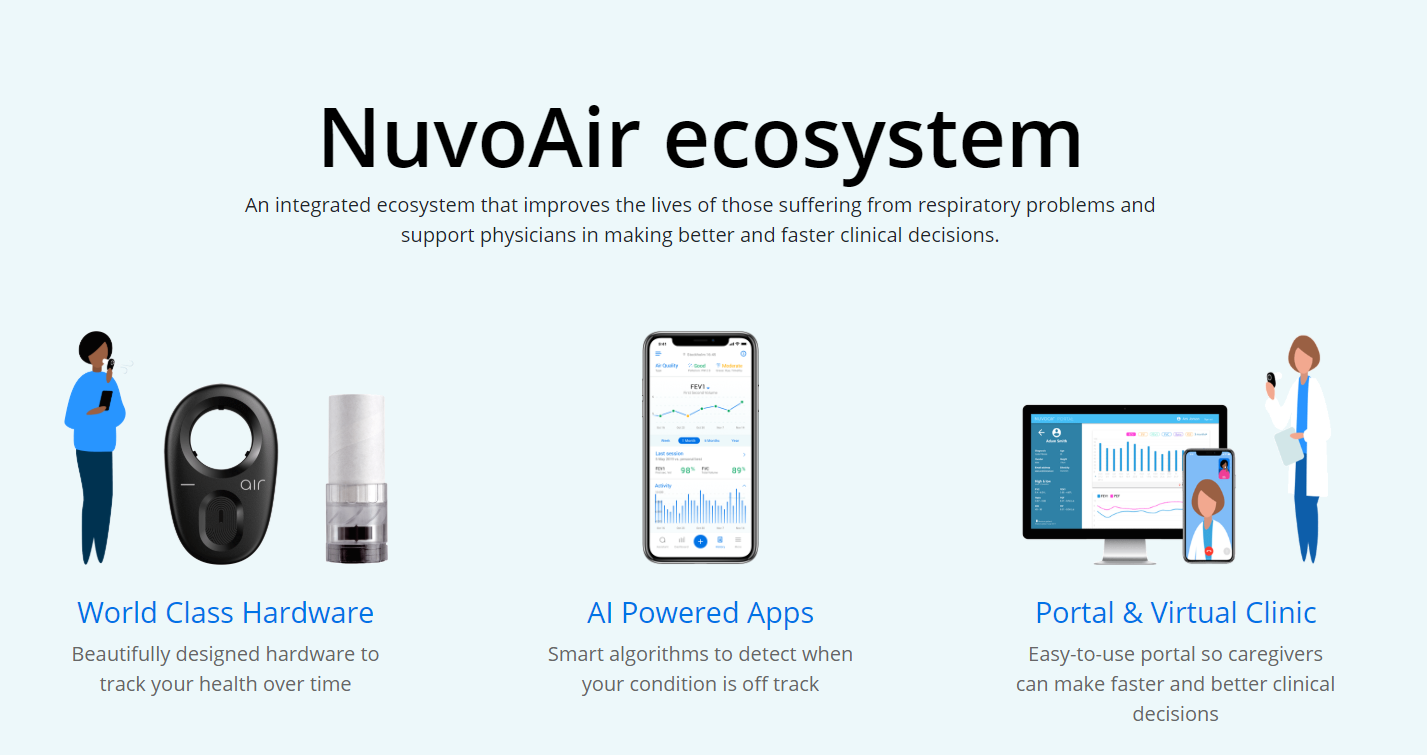
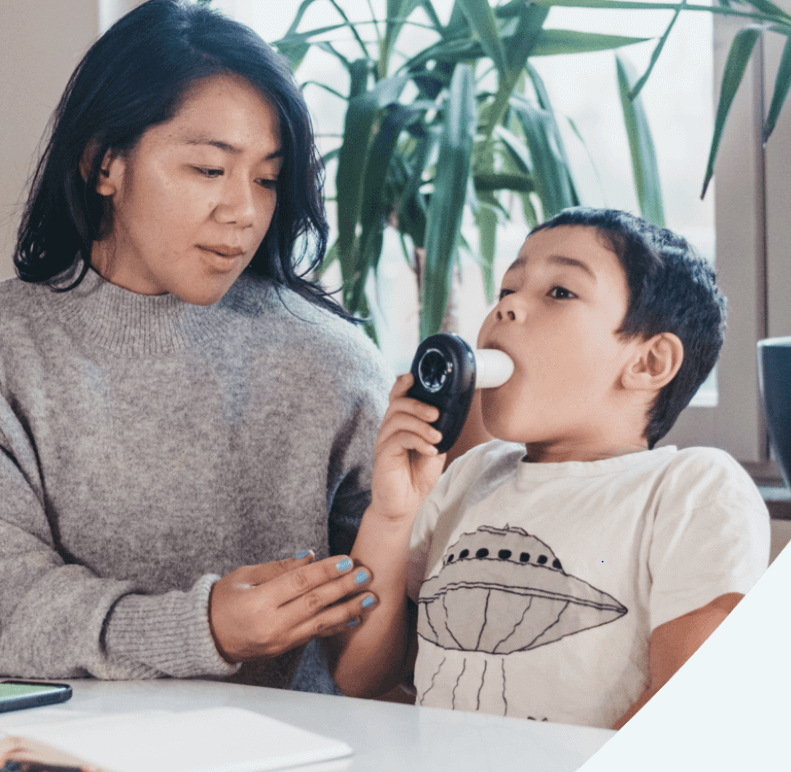
On our path to leadership in Customer Experience, the partnership with the Swedish health tech company NuvoAir, aims to provide an integrated digital health solution to radically change the management and life of patients with Cystic Fibrosis. The solution consists of a hand-held spirometer device connected by Bluetooth to a smartphone app allowing patients to home test their lung function whenever they want, rather than having to wait for their regular hospital check-up. The results are recorded on the app and can be displayed on NuvoAir’s digital platform where they can be read by the patient’s medical team. The patients have also the chance to discuss any issues with their care team via video consultations in a “virtual clinic” setting.

Objective

Export/Import

Import

The NuvoAir solution was “imported” by an open-innovation program called Roche Healthbuilders designed to enable and support Roche leadership in CX and Healthcare Sustainability attracting and engaging world-class startups and other key healthcare stakeholders. The project has been spread across Europe through the Pulmozyme iSquad.

Outcome

Through this project we aim to achieve better:

clinical outcome: detecting changes in lung function sooner than clinic visit; early intervention; reduced hospitalizations and the risk of infections for patients.

quality of life of patients: more free time reducing clinic visits when are not needed; less time travelling to appointments; more empowerment of patients in self-monitoring their lung health; cost savings avoiding long distance travelling to the clinics.

Outcome

Learning

  • Physicians are really keen to collaborate and work on innovative solutions;
  • Physicians engagement as one of the critical success factor for the start of the project. It is a requirement to overcome resistance from the general management of the accounts towards patient support programs.